 Scribba
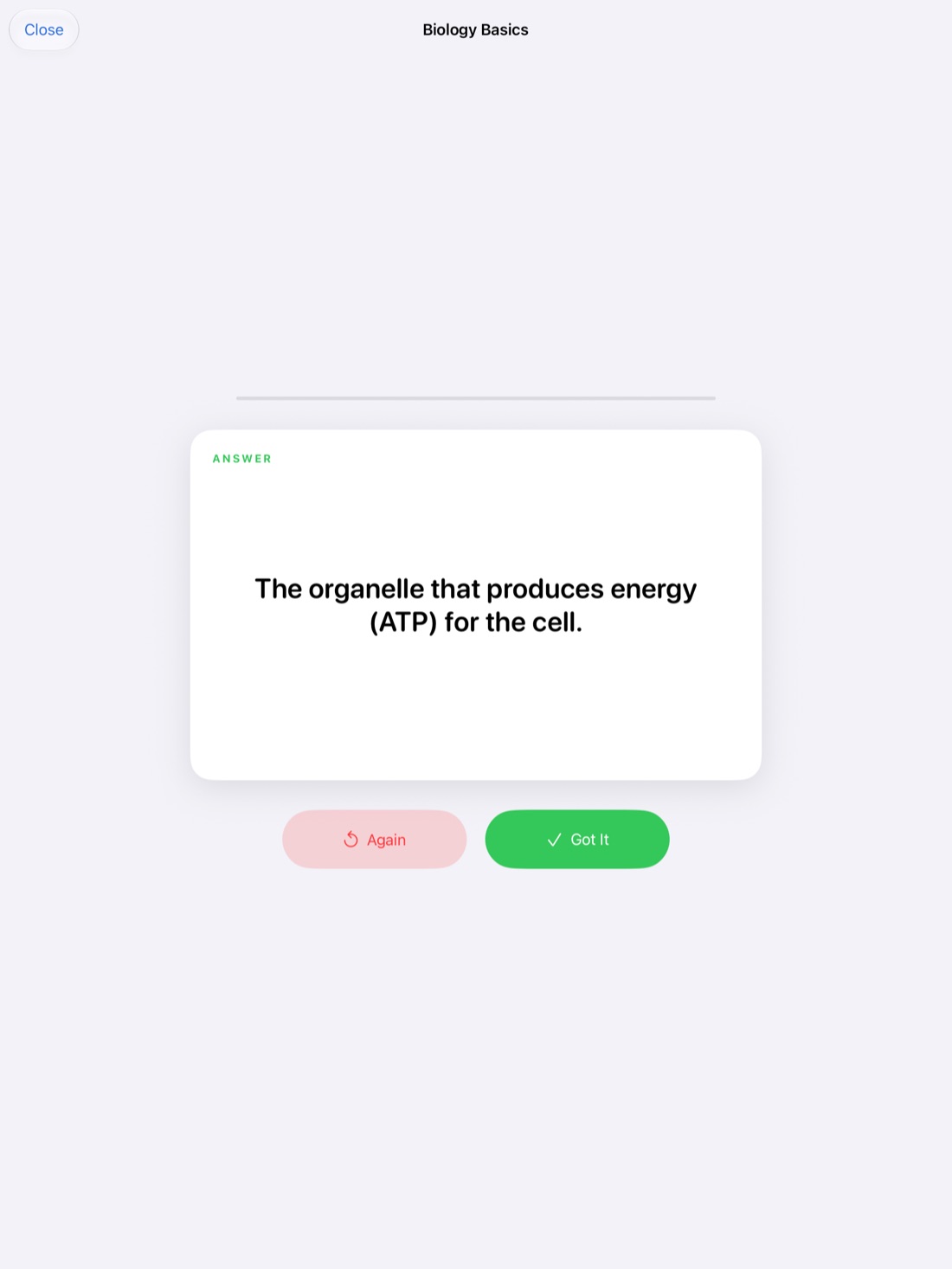
Every class has its own vocabulary. Biology has organelles, psychology has its terms and theorists, economics has elasticity and marginal cost, and a language class is almost all vocabulary. Knowing the words is the first step to answering the questions, and it's often where points are lost on an exam.
The good news is that memorizing terms is a skill, and a few habits make it much faster. This guide covers how to write terms down, how to practice them, and how to keep them for the whole semester.
Start with a good vocabulary page
How you write a term down shapes how easily you learn it. A clean vocabulary page saves time later.
- Two columns. The term on the left, its meaning on the right. One term per row.
- Use your own words. Copying a textbook definition word for word lets you memorize the phrasing without understanding it. Shorter is better.
- Group by topic. Put related terms together, by chapter, unit or theme, rather than in one long list.
- Spell it out once. Write the full term, with any accents or special characters, even if you abbreviate it in your notes.
- Note look-alikes. If two terms are easy to confuse, add a few words to each saying how they differ.
Practice both directions
A flashcard has two sides, and you should be able to start from either one.
Going from the term to its meaning is recognition: you see "osmosis" and explain it. Going from the meaning to the term is production: you read "movement of water across a membrane" and have to come up with the word. Production is harder, and it's what essays, short answers and language classes ask for.
Practice term to meaning first, until it's easy. Then flip it. Cover the term column and recall each term from its definition.
Attach examples and images
A bare definition is easy to forget. A definition tied to something you can picture sticks much better.
- Add an example. For "negative reinforcement," write a real situation that shows it. For a Spanish word, write a short sentence that uses it.
- Draw a quick sketch. A rough picture of a structure, a graph or a scene works even if you can't draw.
- Break the word apart. Many terms are built from roots, prefixes and suffixes. Once you know that "hypo-" means under or below, a whole family of words gets easier.
- Make a memory hook. A silly phrase, a rhyme or an acronym is fine. The weirder it is, the easier it often is to remember.
Tip: write the example in your own life where you can. "My roommate only does dishes when I stop asking" is more memorable than any textbook example.
Say terms out loud
Saying a word out loud uses more than reading it silently. You have to know how it sounds, you hear yourself say it, and it's harder to fool yourself into thinking you know an answer you can't actually say.
When you quiz yourself, say each answer before you check it. For terms you aren't sure how to pronounce, look them up or listen for how your professor says them in lecture. Mispronouncing a term in your head can make it harder to recognize when you hear it.
Space your reviews
Learning fifty terms the night before a quiz works for the quiz and not much longer. Reviewing a smaller set every day, and coming back to each term at growing intervals, keeps them for the semester. That's spaced repetition, and it's one of the best-established ways to remember things. Our guide to spaced repetition flashcards explains how to build the habit.
In practice: add new terms the same day you learn them, review a little every day, and don't add more new cards than you can keep up with.
Mix up the order
If you always study a list from top to bottom, you start to remember each term by where it sits in the list. On the exam, there's no list.
- Shuffle your cards, or start from the bottom of the page.
- Mix chapters together once you know each chapter on its own.
- Put look-alike terms side by side in one session, so you practice telling them apart.
Memorizing vocabulary in Scribba
Scribba is an iPad notebook for class, and its Vocabulary paper is made for this. Pick it in the paper picker when you add a page, or change an existing page's paper from the page sidebar.
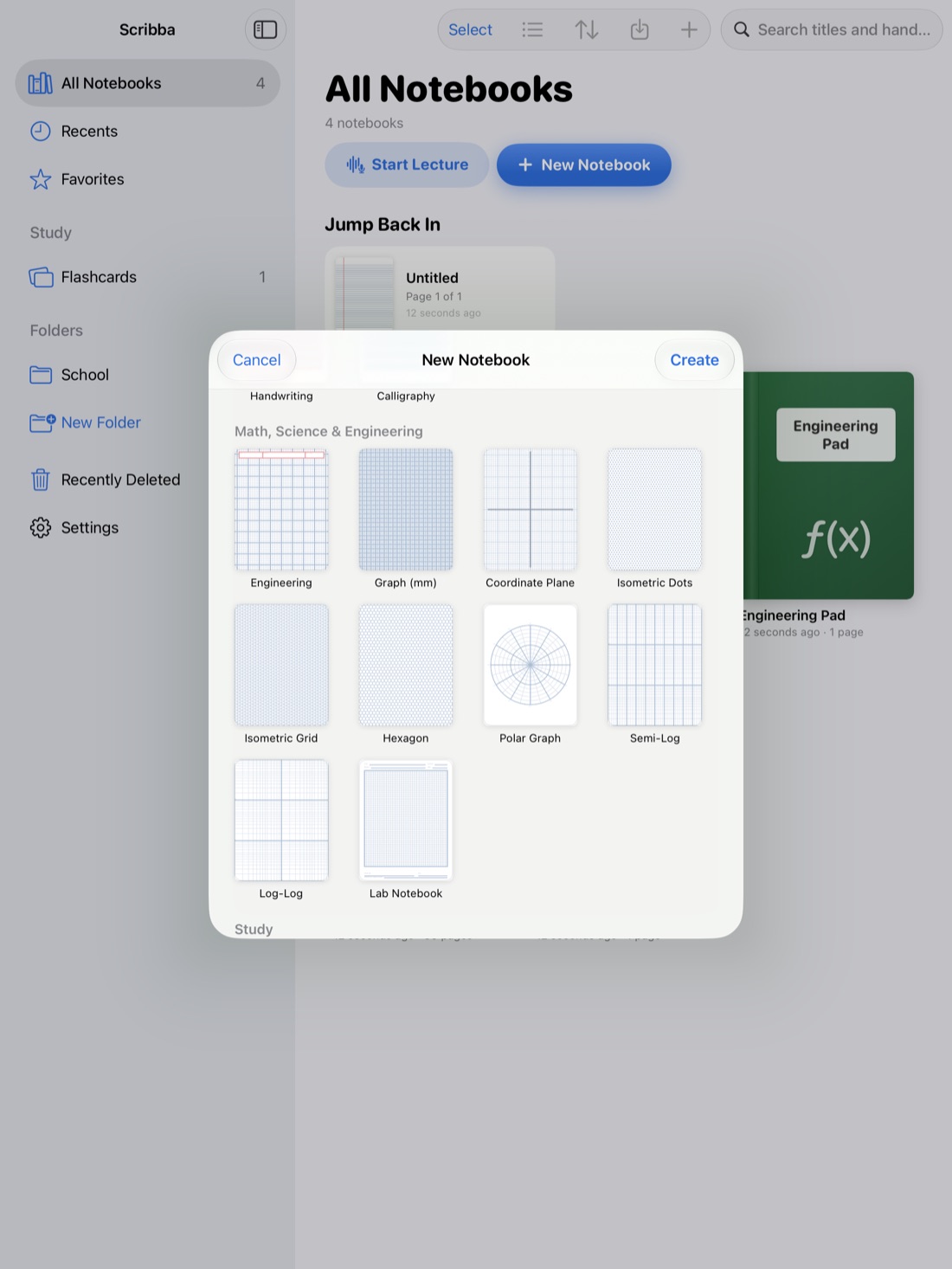
Write terms by hand, get flashcards. Write a term and its meaning on each row. Scribba reads your handwriting and turns each row into a flashcard. Review the cards and fix any word it misread before you study. This works without Apple Intelligence, on any iPad that runs Scribba. See making flashcards from handwritten notes for the details.
Spaced repetition is built in. Flip each card, grade yourself, and Scribba brings it back after 1, 3, 7, 14 and 30 days. You can study all your due cards at once, so terms from different classes come up in the same session.
Practice the other direction with study tape. Drag study tape over the term column of your vocabulary page, recall each term from its meaning, and tap the tape to peek. Then move the tape to the other column. More in the study tape guide.
Keep examples and sketches on the page. Draw a sketch next to a term, or add a photo from the camera or your library. They're right there when you review the page with study tape.
Hear how a term is said. If you recorded the lecture, tap the term where you wrote it and playback jumps to the moment you wrote it, usually when your professor was saying it.
If you want to review on your phone too, you can export decks to Quizlet or Anki.
Frequently asked questions
How many new terms should I learn each day?
Fewer than you think. Add terms from each lecture the same day, and keep the daily review short enough that you'll actually do it tomorrow.
Do vocabulary flashcards need Apple Intelligence?
No. Scribba turns Vocabulary pages into flashcards from your handwriting on any iPad that runs it.
What's the fastest way to learn terms for a quiz tomorrow?
Quiz yourself in both directions, say every answer out loud, and put the terms you miss in a separate pile to go through again. Then sleep. For anything you need to keep past the quiz, start spacing your reviews.