 Scribba
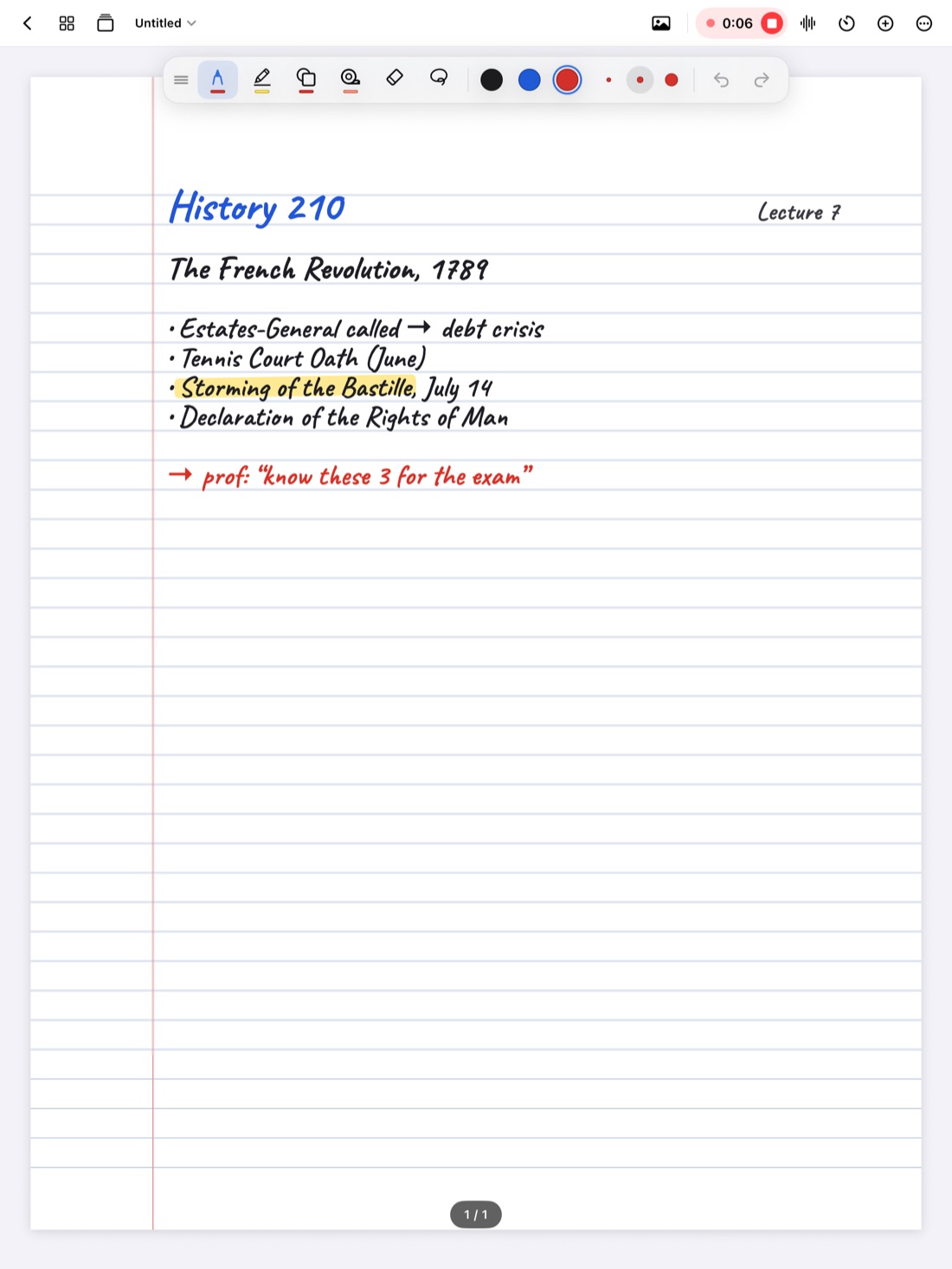
Taking notes in a lecture is a juggling act for anyone. When English isn't your first language, you're doing one more job at the same time: understanding the words before you can decide which ones to write. A professor who talks fast, uses idioms, or tells jokes you have to unpack can leave you a sentence behind all hour, even when you know the subject well.
You don't need perfect English to take good notes. You need a system that gives you time: time before class to learn the words, room during class to write in whatever way is fastest, and a way to go back to what you missed afterward.
Before class: learn the words first
The single biggest help is meeting new vocabulary before the lecture rather than during it.
- Skim the slides or reading if they're posted. Note any terms you don't know.
- Look up the key terms and write each one with a short definition. You don't have to master them, just recognize them when you hear them.
- Listen for how words sound. Many technical terms are pronounced differently from how you'd guess from the spelling. An online dictionary with audio helps.
- Read last lecture's notes. Knowing where the story left off makes the first five minutes much easier to follow.
Ten minutes of preparation can make a lecture feel noticeably slower. How to prepare before a lecture has a fuller routine.
During class: write in whatever language is fastest
There's no rule that your notes must be in English. Use the language that lets you capture an idea quickest.
- Mix languages freely. If a word comes to you faster in your first language, write it that way.
- Keep technical terms in English. Exams, textbooks and assignments will use the English terms, so write those exactly, even if the explanation around them is in your language.
- Use symbols instead of words. Arrows, equals signs and abbreviations work in every language. → means "leads to" whether you think in English or not. How to keep up with fast lecturers has a full shorthand list.
- Write unknown words the way they sound. If you hear a term you don't recognize, write it phonetically with a mark like ~ next to it, and look it up after class.
- Don't translate in your head. Trying to translate every sentence as it comes is where people fall behind. Capture the key words and the structure, and translate the details later if you need to.
Tip: if your notes mix languages, write each important term in English the first time it appears. It makes your notes easier to search and to turn into flashcards.
After class: go back to what you missed
Fast speech, accents and idioms are much easier to follow the second time, at your own pace.
- Fill the gaps the same day. Go to every ~ and question mark you left. Look up words and add short definitions.
- Use a recording or transcript, if you're allowed to record. Reading what was said lets you look up a word without missing the next sentence. Slowing the playback down helps with fast speakers and unfamiliar accents.
- Ask. Office hours exist for exactly this. Professors are usually glad to explain a term or an example again. A classmate's notes can also fill a gap.
- Write a short summary in English. Putting the main idea into your own words is good practice for exams and essays.
Recording rules vary by school, professor and location, so ask first. Is it OK to record lectures? covers how. If language support would help, many schools also have writing centers, tutoring and language programs for international students.
Keep a vocabulary page for each class
Every subject has its own vocabulary, and much of it will be on the exam. Keep one running list per class, with the English term on one side and its definition, in English or your own language, on the other. Add to it after every lecture.
Then test yourself on it. Covering the definition and trying to recall it works much better than rereading the list, and reviewing on a spaced schedule helps words stick. How to memorize vocabulary faster goes deeper.
How Scribba helps
Scribba is an iPad notebook that records the lecture while you write, and it fits this routine closely.
- Recordings linked to your notes. Every stroke is linked to the moment in the recording. Tap a ~ or question mark you drew in the margin, and you hear exactly what the professor said at that point. See how to record a lecture on iPad.
- Transcripts to read along. Each recording is transcribed after class. Read along as it plays, tap a line to jump there, and search for a term to find every time the professor said it. See how lecture transcripts work.
- Slower playback. Adjust the playback speed and skip back 15 seconds to hear a sentence again.
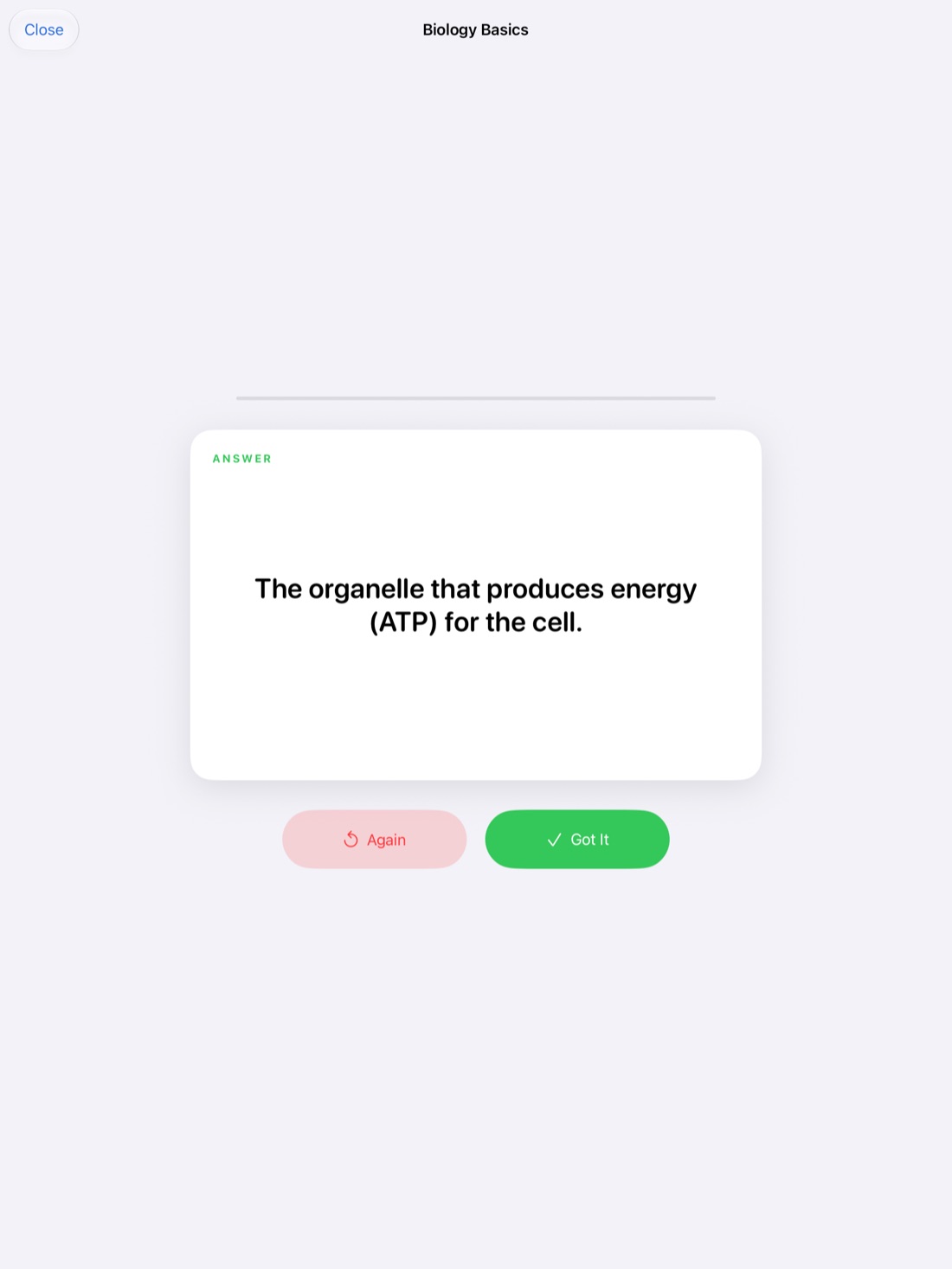
- Vocabulary paper. The Vocabulary template has a VOCABULARY header, a UNIT field, and a two-column table: TERM and DEFINITION / EXAMPLE. Scribba reads your handwriting and turns each row into a flashcard, which comes back on a spaced repetition schedule. Review and fix any words it reads before studying, especially if a row mixes languages. Handwriting recognition reads Latin-alphabet writing and works best on English; it doesn't read scripts like Chinese, Arabic or Japanese, so type those cards by hand with Add Card. This works without Apple Intelligence.
Scribba itself is available in English and Spanish. To use it in Spanish no matter what language your iPad is in, choose Settings › Language. Lectures are transcribed in the language Scribba shows, though, so keep Scribba in English if your lectures are in English. On iPads that support Apple Intelligence, with it turned on, Scribba can write a lecture's key points and answer questions about the lecture, and it writes them in the language Scribba shows. See Scribba in Spanish.
Frequently asked questions
Should I take notes in English or my first language?
Whichever lets you capture ideas fastest, and mixing is fine. Keep subject terms in English, since that's how they'll appear on exams.
How do I keep up when the professor speaks very fast?
Write key words and structure, not sentences, and mark what you miss instead of stopping. Fill those marks in after class from the slides, a classmate or a recording if you're allowed one.
Will my English improve if I take notes in English?
Writing summaries and vocabulary in English is good practice. But during the lecture itself, understanding comes first, so don't force English if it slows you down.